This post is going to be a bit shorter than usual since I spent the week mostly resting and hanging out, but a surprising amount still happened once I actually got to Nagoya.
After my last stop at the Chita Peninsula, I settled into central Nagoya. The idea was simple: use it as a home base, slow down a bit, and explore nearby areas by train without my heavy backpack.
My meet-up the week before with Chisato from HelloTalk went really well, and afterward I found myself spending hours trying to line up more meetups around Nagoya. I’ll say this upfront as well—because I don’t take or post photos of people without permission, a lot of those moments are just going to stay in memory or in text only.
One of the first meetups happened after I had walked up from Ōbu Station and got a message from a girl who was free for dinner. She was very kind, and we ended up going out for fish—I had a salmon avocado bowl. After that, we grabbed some Baskin Robbins, which felt like a random but perfect finishing touch to the night. She dropped me off at a net café, and that was pretty much it for the day. Nothing dramatic, nothing chaotic—just a simple, quiet evening that felt like a soft landing into Nagoya.
The next few days changed pace when I found an Airbnb right between Sakae and Shin-Sakae, which is one of the better locations you can ask for in Nagoya if you want food, nightlife, and easy access to everything. At first glance, the place didn’t seem like anything special. It was on the third floor above a Chinese restaurant and a spa, and the room itself was small enough that I initially thought I had just overpaid for location.
But that impression didn’t last long.
The bed, despite looking basic, had multiple layers of padding that made it absurdly comfortable. The common area was stocked with free drinks—soda, water, tea—and there were unlimited snacks. Even the bathroom was surprisingly generous: new razors, shaving cream, lotion, and other small amenities all included. The more time I spent there, the more it felt like one of those rare places where the value quietly reveals itself instead of announcing it upfront. For what I paid, it ended up being one of the best stays so far.
Most of my time there was actually spent working. I caught up on an earlier blog post and spent a good chunk of time dealing with customer support because my website had been running painfully slow. By the evening, I went out looking for food, but everything had a wait. Eventually, my only realistic option was Denny’s.
In the U.S., Denny’s is usually where you end up after a long night out or when everything else has failed. I wasn’t expecting much walking in—but I should have remembered I wasn’t in the U.S. anymore. This was Japan.
The menu had seasonal festival items, and I saw chicken jambalaya, which felt strange enough that I had to order it. It turned out to be genuinely good: slightly spicy rice, a well-balanced sauce, sausage pieces, and fried chicken on top. I even added dessert pancakes, which were far better than they had any right to be. It ended up being one of those meals where expectations and reality met.
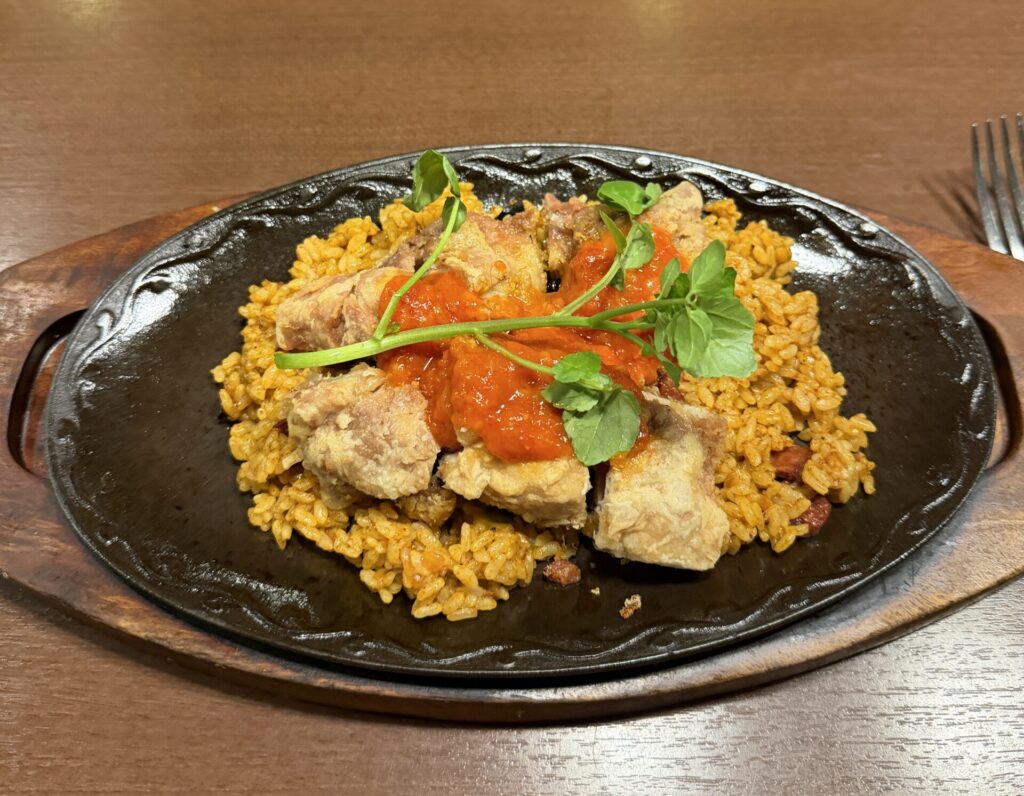
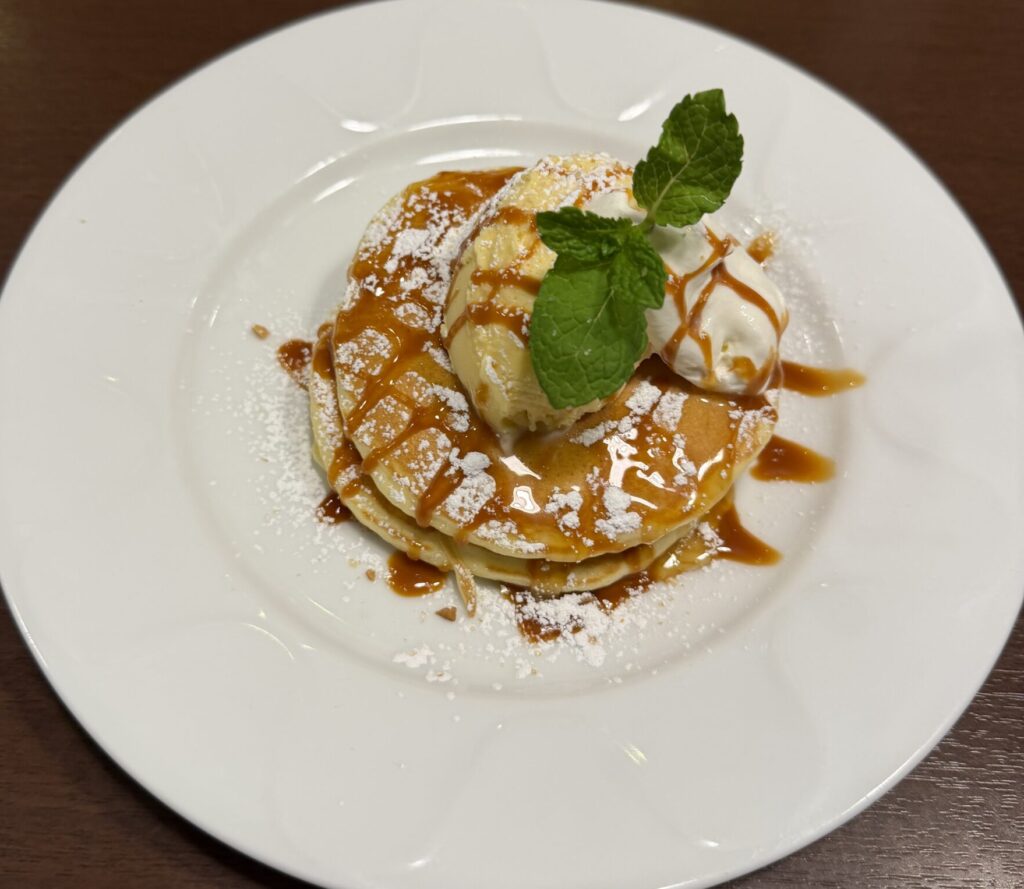
The next morning I woke up to a surprising number of messages from people wanting to meet. I grabbed breakfast at a small coffee shop, where I met up with a guy who worked at a convenience store. He mostly described it as a fairly normal cashier job, but what stood out were the stories he had about customers—especially foreigners.
One story stuck with me. He said a foreign woman once asked him to lie to her husband and say she was in Vietnam instead of Japan, and to pretend to speak Vietnamese. I have no idea if that situation ever actually worked out for her, but it was one of those stories that makes you realize how unpredictable human behavior can be in customer-facing jobs.
Something else I noticed again during these conversations was the difference in communication styles. With women, conversations tended to flow and continue naturally. With men, it often felt more direct and brief—short answers, then the conversation ending just as quickly as it started. It’s not something I fully understand yet, but it’s been consistent enough to stand out.
Around lunchtime, I met with a woman who worked at an airport. We went up to the top of a tall building and looked out over the city. The conversation itself was easy at first—her English was decent and she was open and friendly—but somewhere along the way, things took a turn.
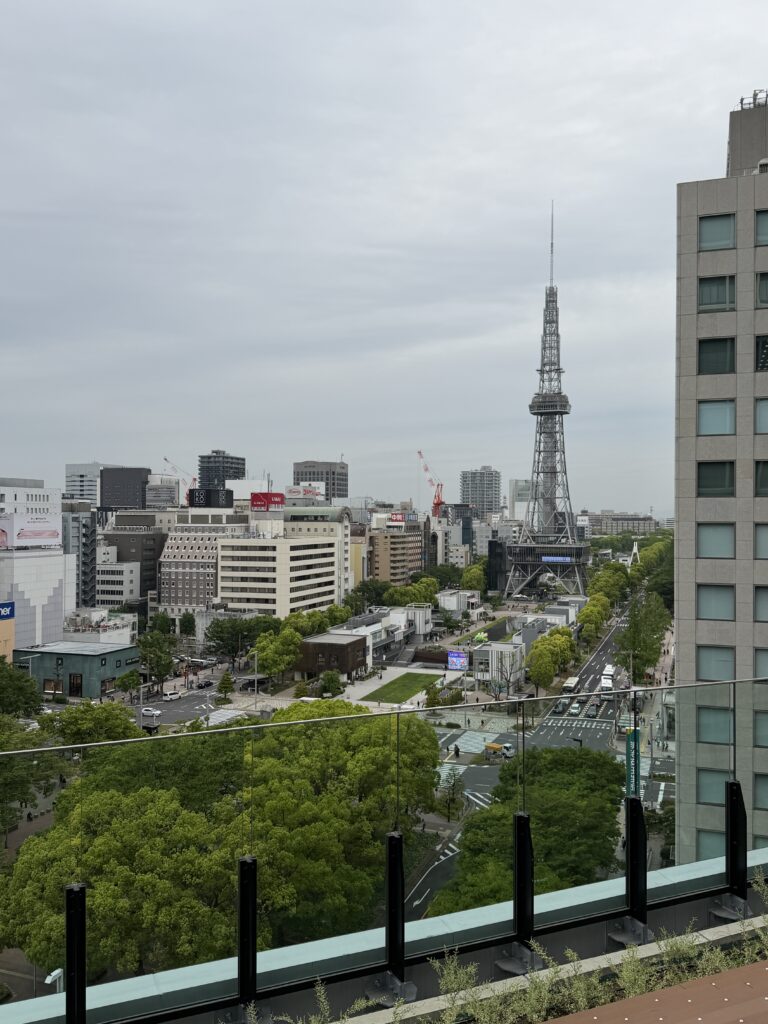
A discussion about nightlife somehow shifted into a misunderstanding where she thought I was implying I wanted sex. That wasn’t my intention at all, and I suddenly found myself in one of those uncomfortable situations where you can feel the conversation drifting in a direction you didn’t mean to take, but you also don’t know how to correct it cleanly in another language.
I honestly didn’t know how to fix it in the moment. I think it was less about either of us doing something wrong and more about how quickly meaning can get distorted when language, culture, and tone don’t align perfectly. Everything is a learning experience. Eventually things smoothed out and we went our separate ways, but it stayed on my mind afterward. If she ever reads this, I really am sorry for the misunderstanding—it was still a genuinely nice conversation for the most part.
Later that day I met someone who might have been the most unusual meetup so far. On the app, she had no profile picture, no bio, and no real information—just a message offering to teach me how to make udon at her place. Alone.
This is one of those situations where, outside of Japan, you probably just don’t go. But I was curious, and it felt like one of those experiences that only really makes sense if you actually follow through on it.
We met in front of a shopping mall, bought ingredients together, and then went back to her apartment. Surprisingly, it wasn’t awkward at all. We ended up making udon from scratch—kneading the dough, letting it rest, rolling it out, and cutting it into noodles.
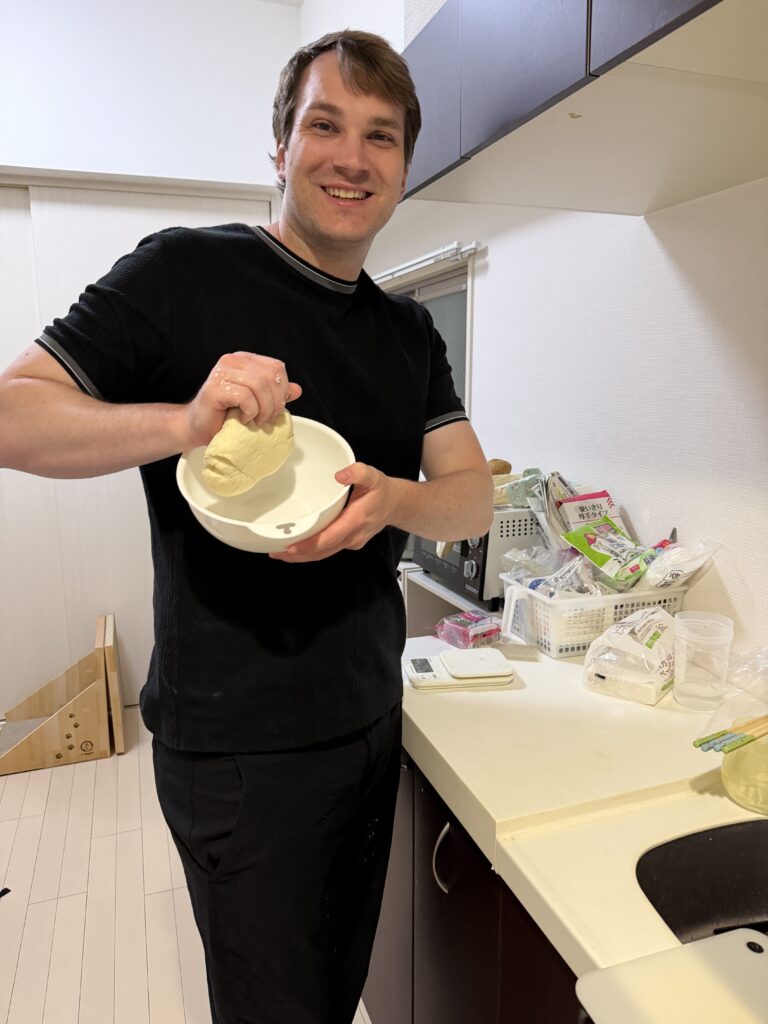
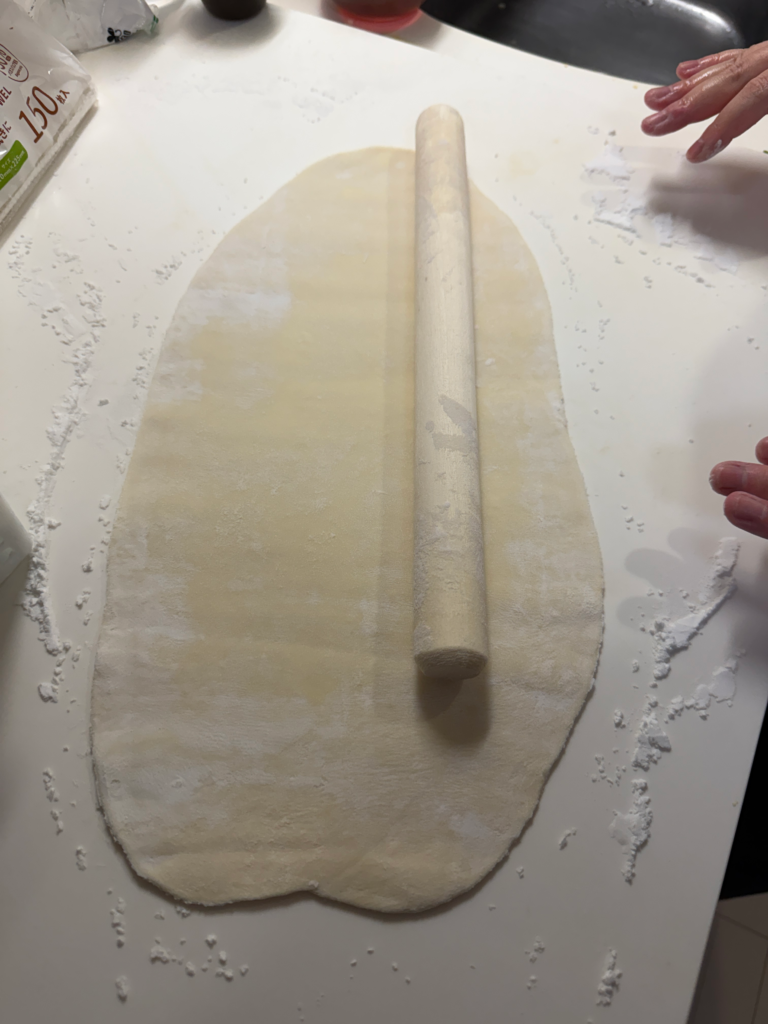
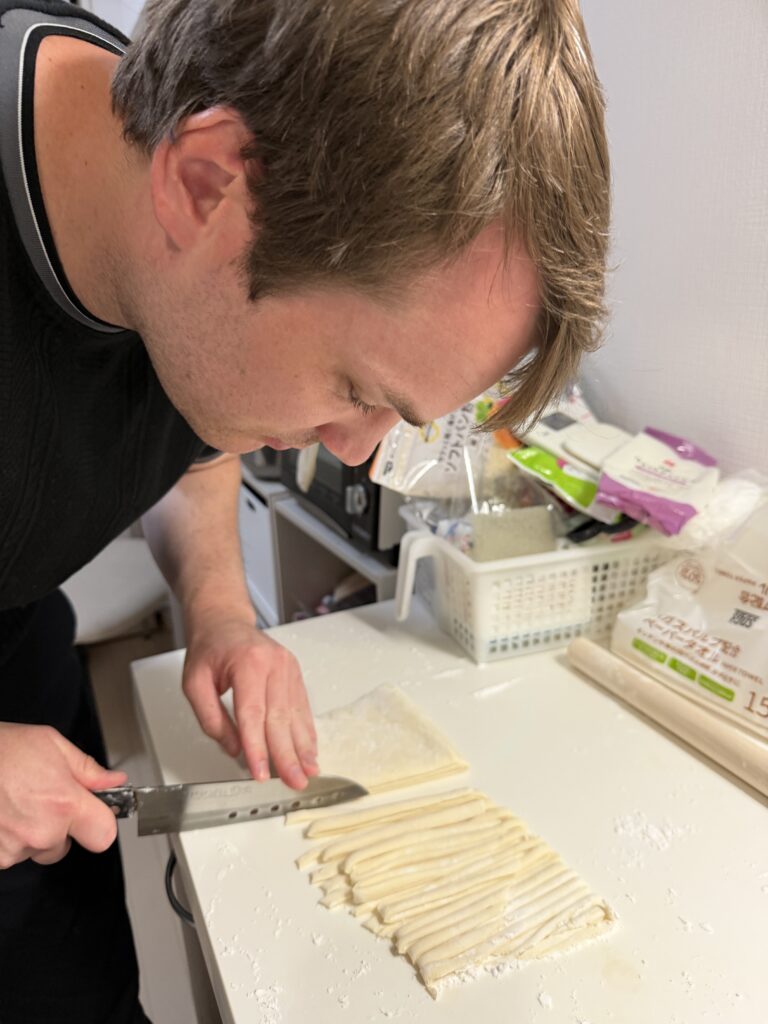
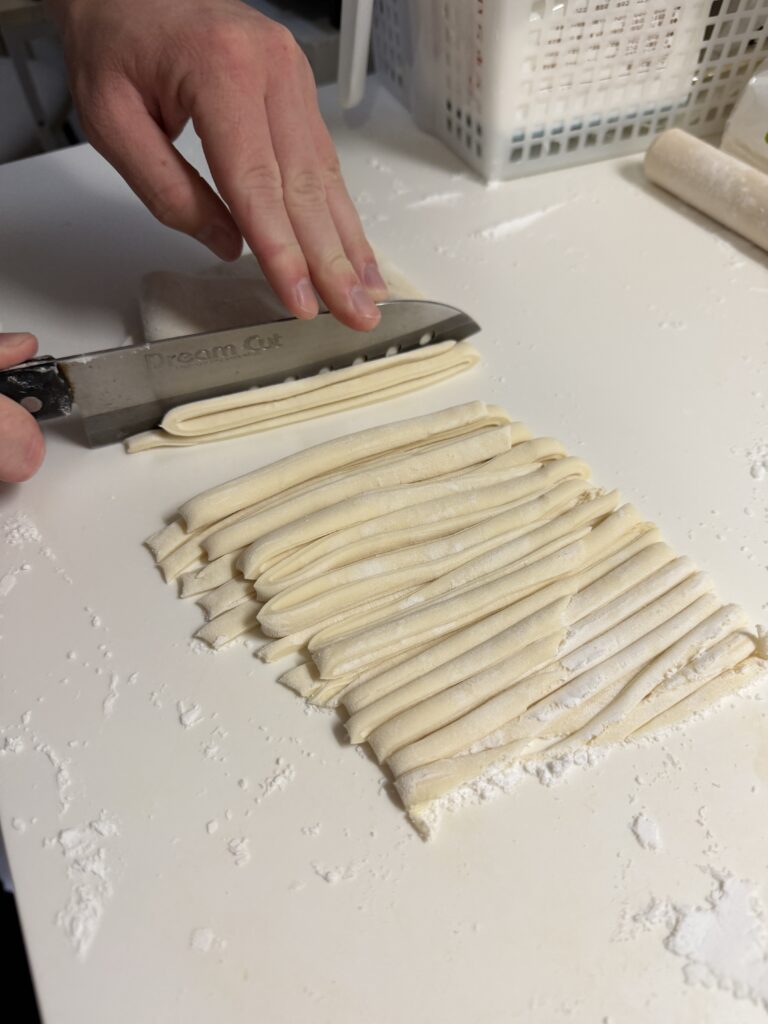
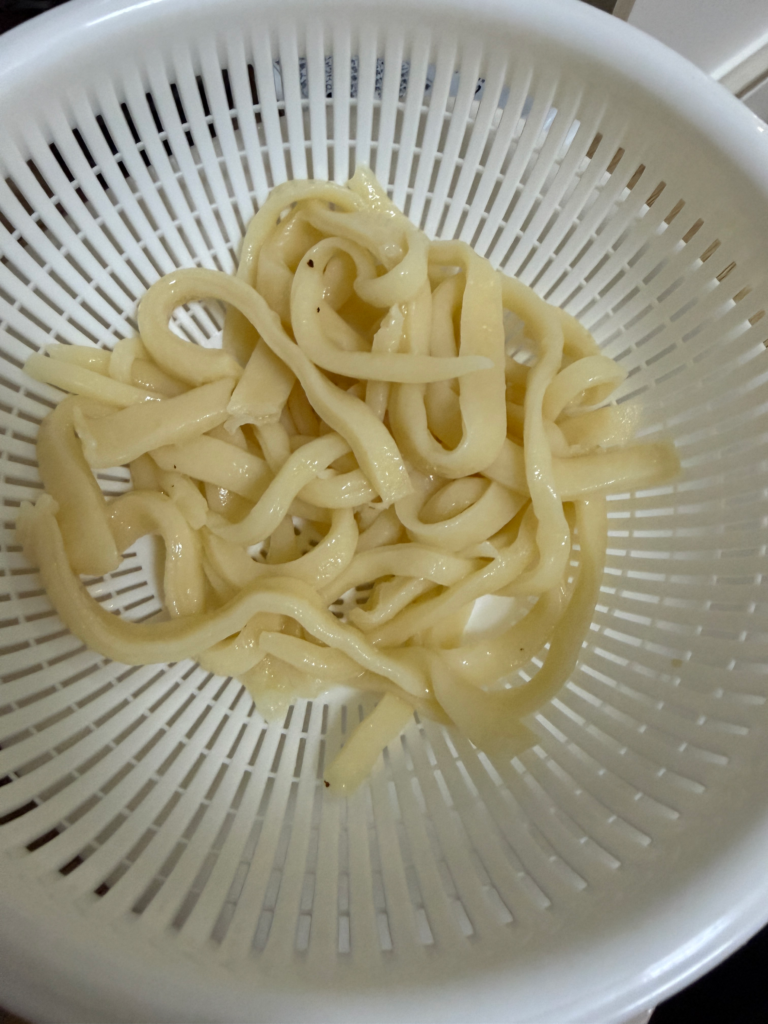
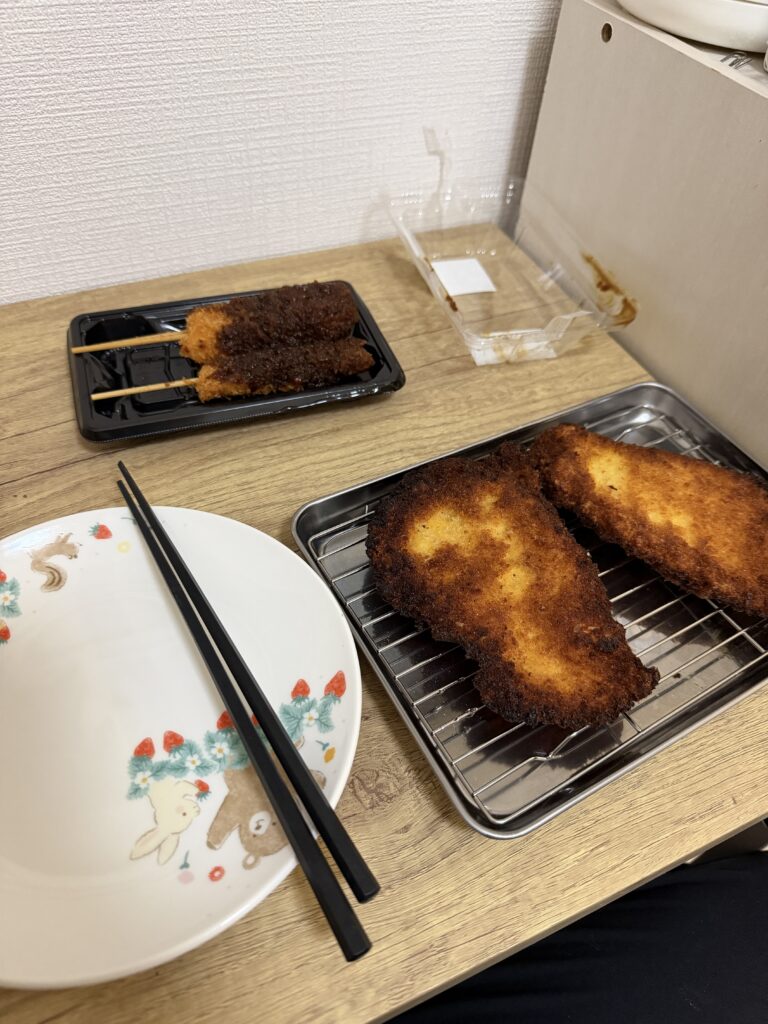
While it rested, we also made torikatsu, panko-fried chicken, which turned into a kind of side project while waiting for the noodles to be ready. It was simple, educational, and fun. One of those experiences that feels ordinary in the moment but becomes memorable afterward because of how unlikely it was.
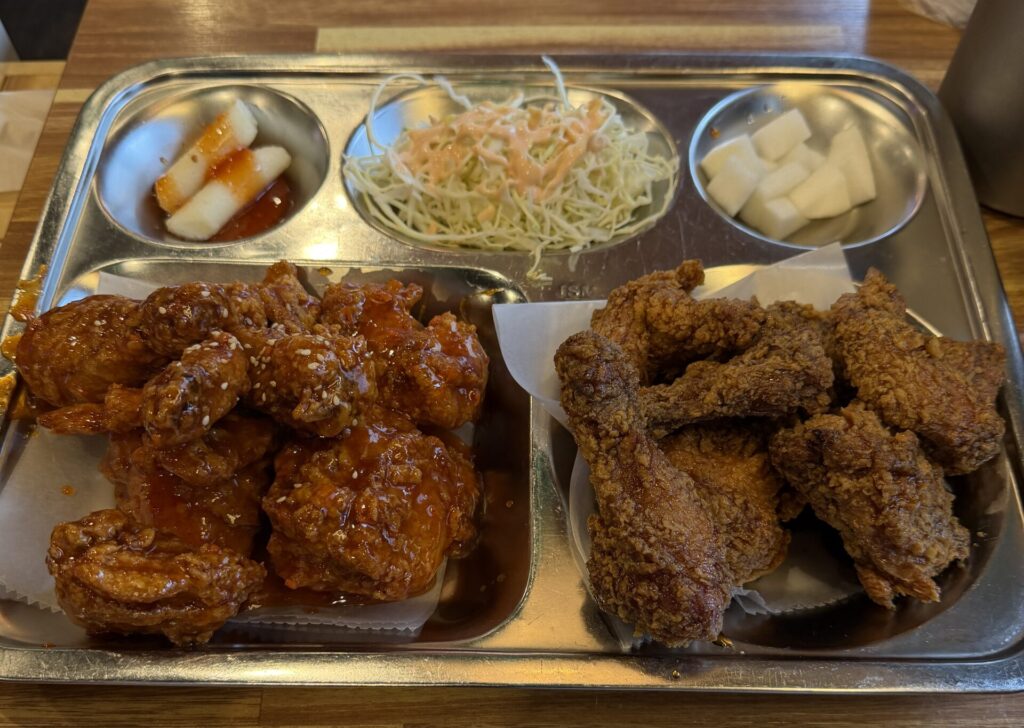
The next day I woke up late and went out for fried chicken, thinking I could handle it like I usually do. I was wrong. I ordered an entire chicken and ended up eating way too much. In America I tend to eat a lot, but Japan has slowly been changing that without me really noticing. I felt so full afterward that I had to take a two-hour nap just to recover.
That evening I met another girl and we went out to an izakaya followed by a darts bar. I remember sitting at Nagoya Station beforehand, completely lost for about fifteen minutes, until she found me. When she did, I was honestly speechless for a second—she was far more beautiful than I expected, and I remember wondering how someone like me could have gotten into this situation.
Her English wasn’t perfect, but we made it work. The izakaya was loud and chaotic, which made conversation difficult, but in a strange way it added to the experience. At one point I even won a round in a drinking game and got my drink for free. After that we moved to a darts bar, which was fun at first but slowly became repetitive as conversation naturally thinned out due to the language gap. Still, it felt like a good night overall, and at the end I asked if she wanted to meet again the next day. She agreed.
The following morning I woke up genuinely excited. I went back to Denny’s for breakfast and couldn’t stop thinking about the date ahead. It was also going to be the first time I’d see a movie in Japan, which I was curious about since I’d never been to a Japanese theater before.
After breakfast and a bit of chaos looking for last-minute hostel bookings (because I had misplanned my stay), I headed out. I even bought a single rose before meeting her, though it turned out to be slightly more awkward than romantic—she seemed very embarrassed, so I think that kind of gesture might not be common here.
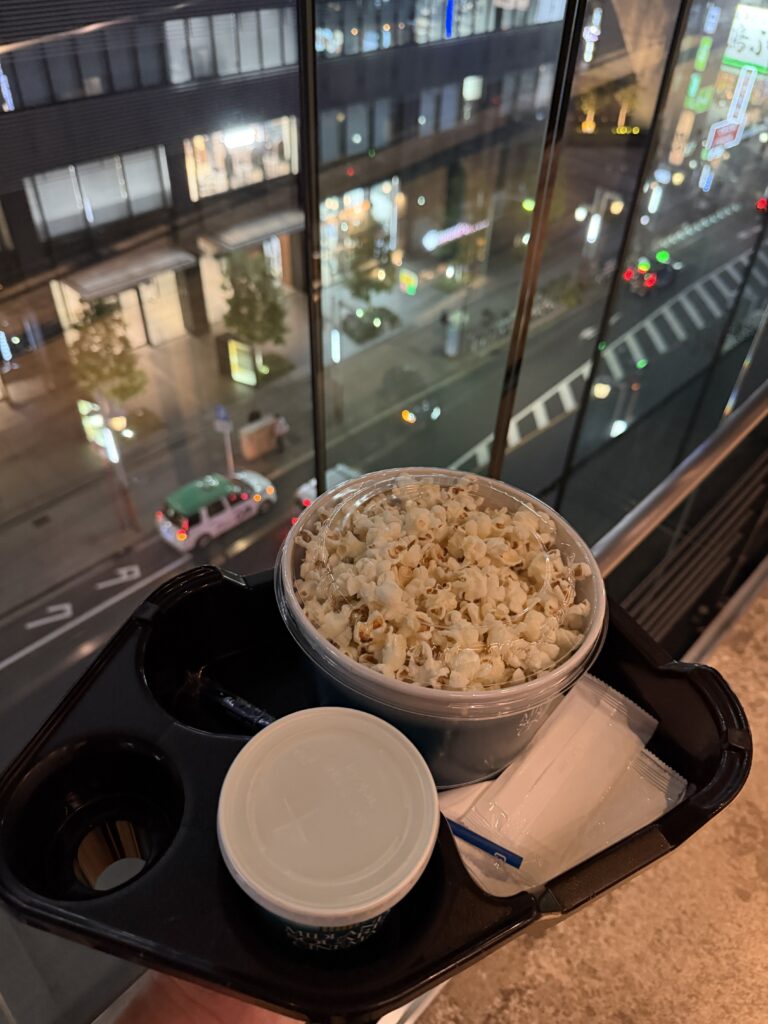
We went to the mall, bought tickets, and headed up to the theater. The tickets themselves weren’t too expensive—about 5,000 yen for two seats on opening night, plus popcorn and a drink. Then things took a turn when the staff told us we were in the wrong theater. Apparently, the complex had multiple screening locations spread across different buildings. So we ended up walking through the mall, outside, up escalators, and into another building while I awkwardly carried popcorn and soda the entire way. It was embarrassing in the moment, but also kind of funny in hindsight.
When we finally sat down, we realized most of the audience was foreign, which made sense since the film was in English. We both laughed about how absurd the whole process had been. The movie itself was good, and afterward we walked around the city and got dinner. I don’t think I was her type, but I’ve learned that you miss every shot you don’t take, so I’ll call it part of the experience.
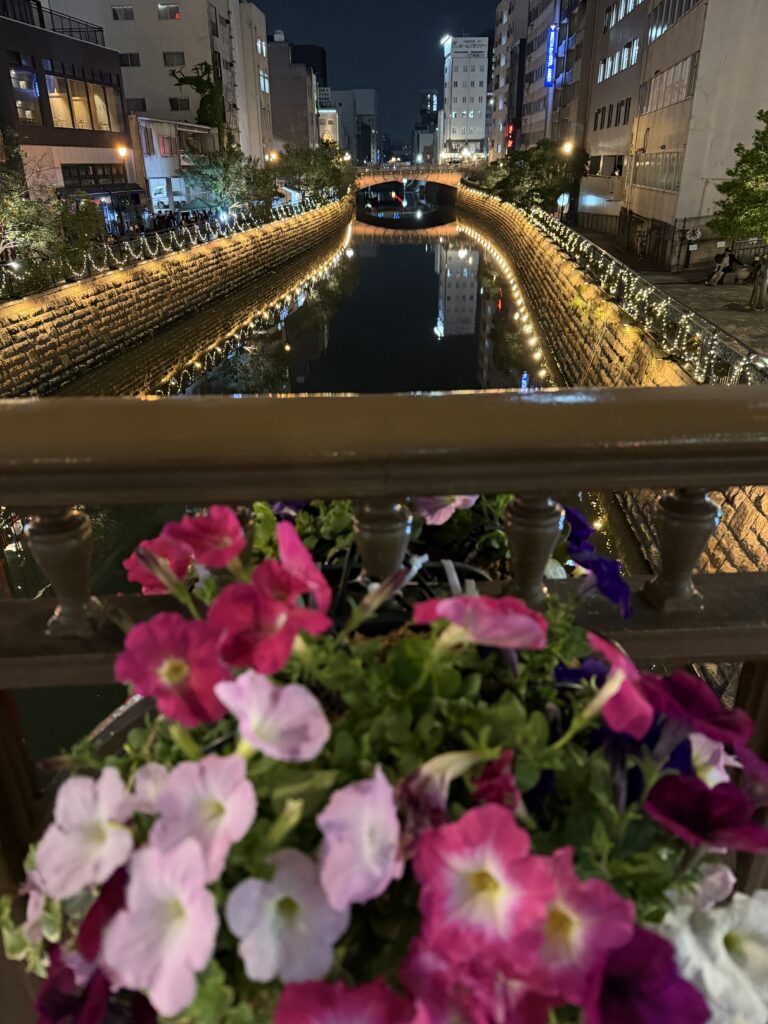
The next morning reality caught up with me—I realized I had forgotten to book a hostel, and everything nearby was full. I ended up finding a dorm-style hostel farther away and walked about two hours to get there. Not ideal, but manageable.
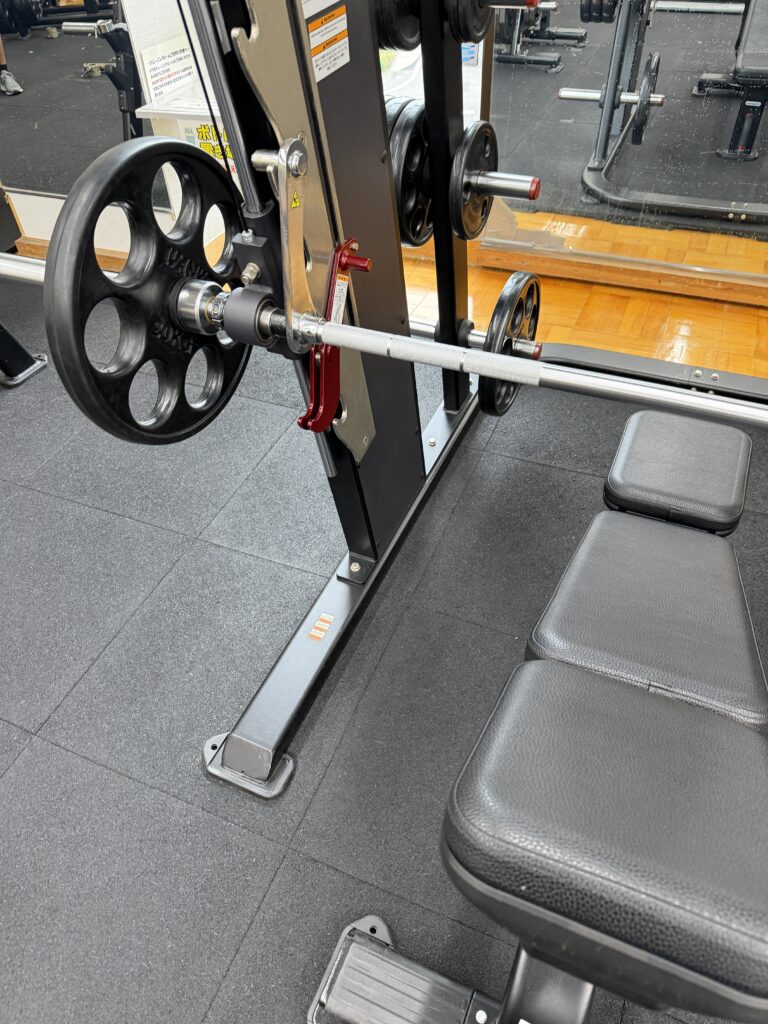
After checking in, I had a strange burst of motivation and decided to finally find a gym. So far every gym I’ve asked for a day pass does month-long memberships only. I ended up at a community center. Entry was only 300 yen, and they even rented out shoes for 200 yen. It’s required to have inside shoes to use the facilities. Extremely efficient, extremely cheap. The workout itself was rough. I hadn’t trained in over a month, and everything being in kilograms meant I kept misjudging weights and overestimating what I could lift. It was humbling, but also good to get back into it.
I realized I had forgotten my wall charger at the last place, so I ended up walking back to grab it. On the way, it suddenly hit me that I still hadn’t tried pachinko yet. I ended up sitting there in a chair scrolling ChatGPT, asking a million questions and basically trying to build up the courage to actually go in and do it.
Eventually I went for it.
The first machine I sat down at, I had no idea what was going on. I genuinely thought I had lost 5,000 yen in about five minutes, but in reality it only deducts 500 yen at a time. Thank god I didn’t just walk away immediately thinking it was over. I kept playing for a while longer, eventually losing about 3,000 yen in total.
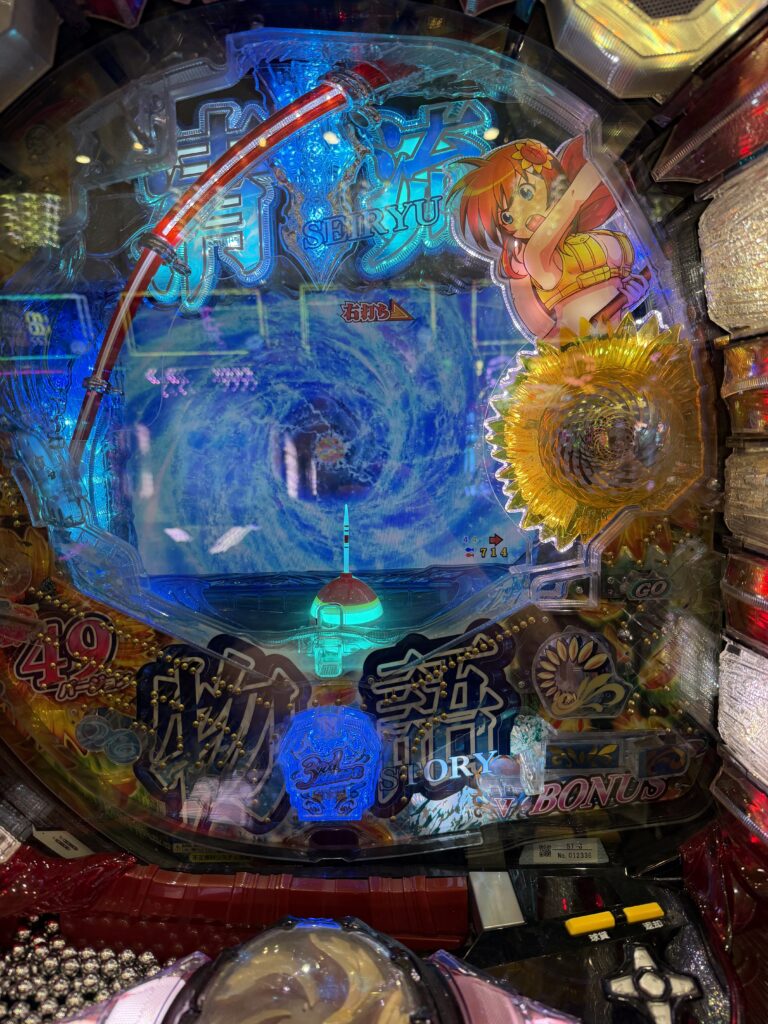
The experience itself wasn’t great, but I decided to give it another shot on a different machine—this one had a girl and a fishing rod. And honestly, let me tell you: after holding your wrist in basically the same position for two hours, it gets extremely tiring and strangely boring. The whole point of pachinko is just turning a dial to aim metal balls and try to get them into a specific area, so you end up locked into this repetitive motion for a long time.
It did start off flashy though. Lights, sounds, constant stimulation—it feels exciting at first. I even won a few times, but the payouts were small and nothing meaningful.
Eventually I was told I had to leave the machine because non-members are only allowed to play for two hours. That’s when I got the full experience: I walked up to the counter, traded my receipt for fake tokens, and then exchanged those at a sketchy-looking window outside for real money. There wasn’t even a person—just a drop box in an alley.
In the end, I lost about 8,000 yen. I wouldn’t say the experience was worth it overall. If I ever want to gamble again in Japan, I think I’ll stick to boat racing instead.
Later that day I met another girl for ramen. After dinner, it started raining heavily, and we ended up taking shelter and eventually staying at her place for a while. From there, the night spiraled into one of those situations where you realize public transport is no longer an option, and I eventually found myself walking home at 3 a.m. in the rain, talking to a friend back in America on LINE. I got back to the hostel completely soaked at around 5 a.m., and I’m fairly sure I disrupted my roommate that night.
The next day was much quieter. I slept in and spent time talking to people at the hostel. One guy from Germany was trying to start fresh in Japan but found the job process extremely difficult and didn’t want to settle for something dead-end. I also met two people from the UK—one working in Hokkaido and another traveling across Asia. Listening to everyone’s stories made the slower day feel meaningful in its own way.
And that’s pretty much where this chapter ends. Nothing too dramatic, just a stretch of small moments, misunderstandings, and unexpected encounters that somehow add up into a week that feels a lot bigger in hindsight.
Next up: Homestay Family
If you want to support the trip, there’s a donation button on the page. For daily updates, you can follow me on Instagram at @nomadokai